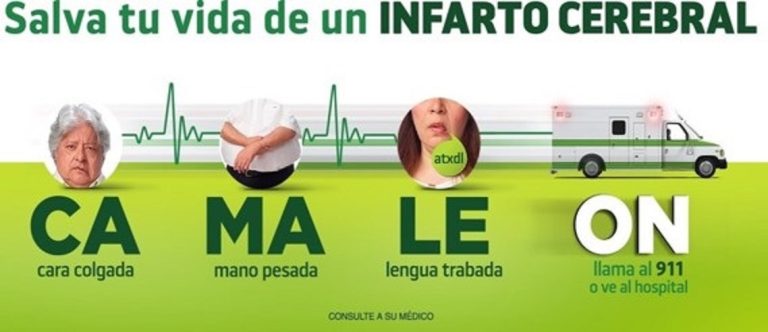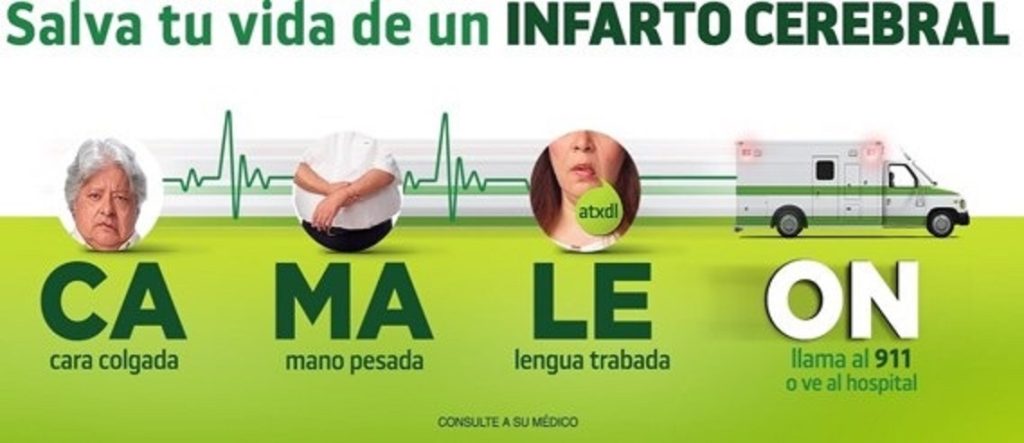
Emergency medicine specialists are actively promoting the “Camaleón” (Chameleon) awareness campaign. This acronym is strategically designed to help the general public quickly identify the warning signs of a Cerebrovascular Accident (CVA), commonly known as a stroke, whether ischemic (infarction) or hemorrhagic (bleeding).
What Does CAMALEÓN Stand For?
The strategy breaks down the main clinical manifestations and the immediate action required into a simple Spanish acronym:
- CA (Cara / Face): Weakness, numbness, or visible asymmetry on one side of the face (e.g., a drooping smile).
- MA (Mano / Hand): Loss of strength, tingling, or the inability to raise a hand, arm, or leg.
- LE (Lenguaje / Language): Noticeable difficulty articulating words, speaking coherently, or understanding speech.
- ON (Actuación / Action): Signals that it is time to take immediate action by calling emergency services at 911.
The 3-Hour Window: Specialists emphasize that the first three hours from the onset of symptoms represent the critical therapeutic window to prevent severe functional sequelae or death. In neurological medicine, there is a fundamental premise: time is brain, and every lost minute translates into irreversible neuronal destruction.
Alarm Over Delayed Hospital Admissions and Younger Patients
Daniel Sánchez Arreola, a member of the Mexican Society of Emergency Medicine, warned that emergency rooms and hospital neurology departments continue to record critically late admissions. There are cases where patients arrive hours, days, or even weeks after the onset of the event, exponentially increasing the incidence of permanent disabilities.
Furthermore, the Mexican Society of Emergency Medicine highlighted a worrying epidemiological shift in the profile of those affected:
- Age shift: While strokes were historically associated with adults over the age of 65 due to arterial aging, there is currently an alarming increase in cases among young adults between 35 and 40 years old.
- Trigger factors: This change is directly linked to modern lifestyles and the high prevalence of chronic conditions and metabolic syndromes, such as diabetes mellitus, high blood pressure, dyslipidemia (high cholesterol), sedentary behavior, and obesity.
Globally, cerebrovascular disease stands as the second leading cause of death and remains one of the primary drivers of adult motor and cognitive disability.
About the Author