The tragic death of a tourist who was dragged by a crocodile on the beaches of Marina Vallarta on June 26 has fully raised alarms among local authorities. This unfortunate event marks an alarming and historic precedent for the region, as explained by Luis Alberto Cayo Cervantes, Director of Animal Health and Gathering in Tlajomulco de Zúñiga.
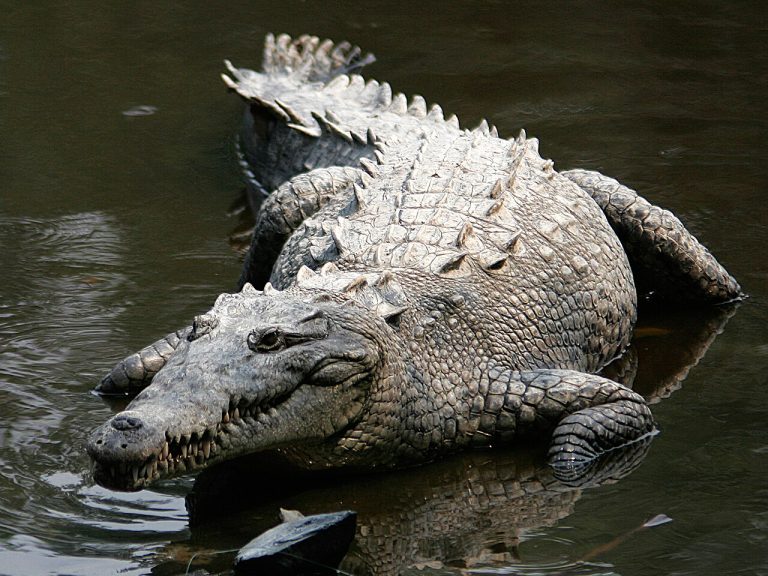
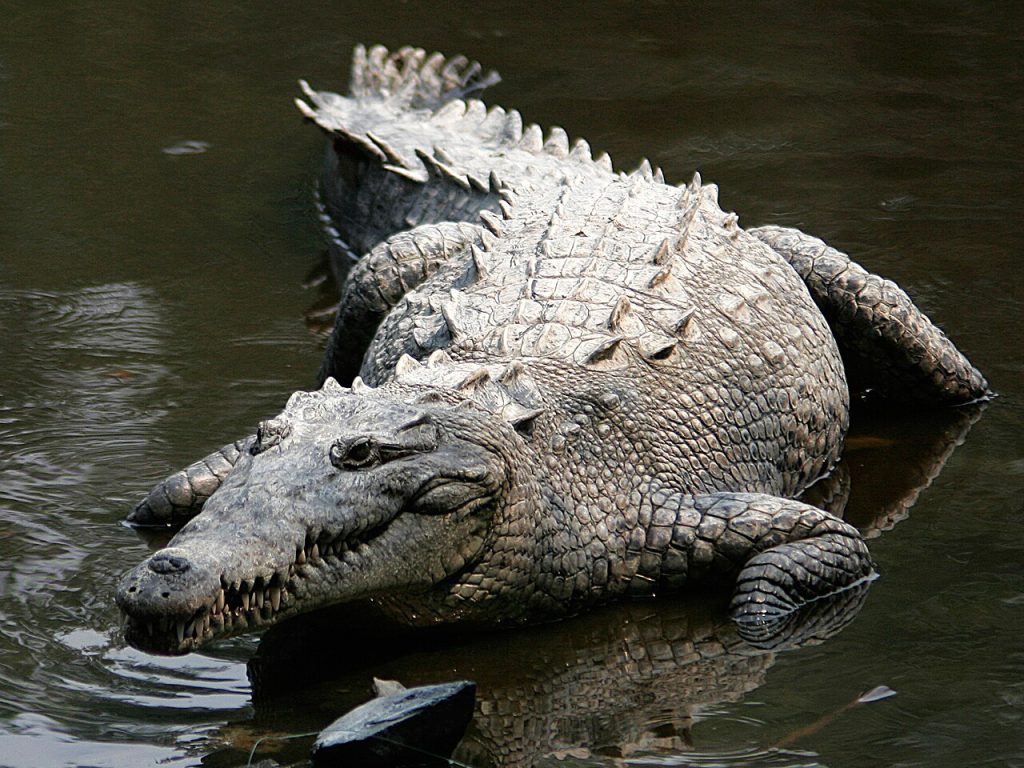
“This is the first attack that has been fatal directly on a beach. Human-crocodile interactions and accidents have always occurred in rivers or estuaries, but this is the first one recorded out in the open sea,” the specialist clarified, specifying that the animal involved was an American crocodile (Crocodylus acutus), a species native to the Jalisco coast.
Real Estate Expansion and Habitat Loss
According to the biologist, this tragic outcome is not an isolated incident but rather the direct consequence of rapid real estate expansion and land-use changes that destroy local wildlife ecosystems, forcing them to displace into tourist areas.
Cayo Cervantes recalled that during his years of research, he monitored a stable population of crocodiles in a Puerto Vallarta river; years later, upon returning to the site, the habitat had been completely transformed into a golf course.
The expert also warned that the rainy season drastically increases the risk, as the rising water levels in rivers flowing into the ocean make it easier for these reptiles to be carried out or move toward the open sea. Despite the fear they generate, he reminded the public that crocodiles are the apex predators of the area, and their presence signifies an ecological balance indispensable for keeping other potential pests at bay.
The Danger of Hatchling “Kidnapping” and Urban Abandonment
The issue is no longer limited to the coastline. Currently, the biological department responds to constant reports of crocodiles in urban areas of Jalisco—a situation caused by individuals who illegally extract hatchlings from their natural estuaries during vacations to keep them as pets. As they grow larger, demanding more food and becoming dangerous, owners opt to clandestinely release them into lakes and canals near urban centers.
This troubling practice has led to the detection of specimens in areas where they are not native, such as Lake Chapala, Tonalá, and Tlajomulco. From 2025 to the present date, the Animal Health and Gathering Department has received at least 12 reports of sightings in stormwater canals, the Guayabo Dam, and various sectors of Guadalajara, though many have eluded capture.
How to Prevent Future Accidents?
To prevent future tragedies and mitigate this environmental risk, authorities reiterate the following mandatory safety measures to the general public:
- Obey warning signs: Under no circumstances should anyone enter beach zones or bodies of water that explicitly warn of reptile presence.
- No feeding or interaction: Do not throw food at the animals, and under no circumstances remove eggs or capture hatchlings from their nests.
- Social awareness: Firmly remember that crocodiles are not pets under any circumstances.
About the Author